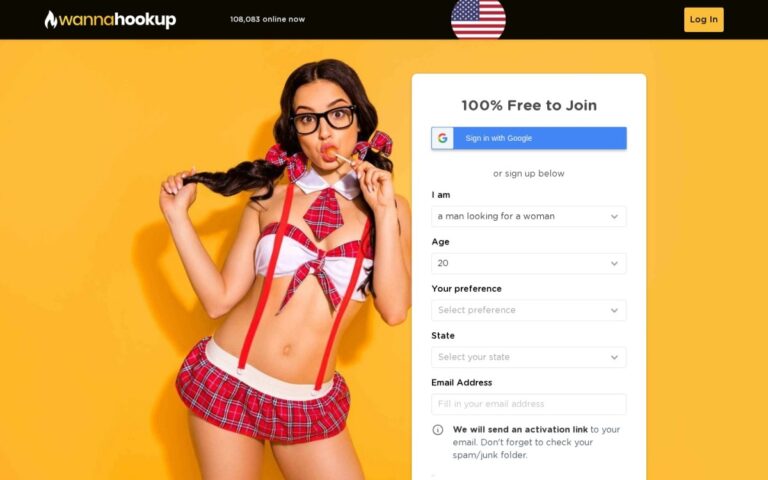
Three very different interaction models can look superficially similar in a profile grid: a real member, a fictional persona written by a human operator, and an AI companion generated by software. Treating all three as “bots” loses the distinction that matters most to a user—who or what is actually on the other side of the conversation?
1. Real member profile
A real-member dating profile represents a person using the service for their own purposes. The site may verify photos or identity, but the person decides what to write and whether to meet.
A dating platform cannot guarantee that every statement a member makes is true. Verification can reduce some kinds of impersonation, but it is not the same as guaranteeing intent or safety.
2. Human-operated fictional persona
A fictional persona is a character rather than an available member seeking a real-world date. The conversation may nevertheless be written by a human.
Several current entertainment-chat sites make this explicit by saying that they contain fictional member profiles while also stating that they do not use AI bots or robots. HeFlirts, Flirto, HookupMatch, LocalSexDates and DateSingles all publish versions of that disclosure.
Public chat-moderator job descriptions also describe workers chatting anonymously behind fictional profiles. This is why “fictional” and “AI” must not be used as synonyms.
3. Disclosed AI companion
An AI companion is software-generated interaction where the service openly presents the character as artificial. SpiceMatch currently says every companion is a fictional adult character generated by software and that there is no human behind the profiles. Adore’s current App Store listing likewise describes its companions as fictional and AI-generated and says it does not introduce users to real people or arrange dates.
4. Mixed human + automated model
Some services disclose a hybrid arrangement. FantasyGirls.eu states that interactions with fictional personas may be handled by one or more human operators and/or supported by automated systems. Myflings.co.uk similarly says communications may be moderated or supported by human operators and/or automated systems including AI.
Comparison
| Model | Who writes? | Offline meeting? | Main product |
|---|---|---|---|
| Real member | The member | Potentially, depending on the service and both people | Dating/social connection |
| Human-operated fictional persona | Paid/operator staff or contractors | Usually explicitly unavailable with that persona | Conversation/entertainment |
| AI companion | Software/model | No | AI companionship/fantasy |
| Hybrid fictional persona | Human and/or automation | Usually no | Entertainment |
Why the distinction affects price
A pay-per-message fictional-chat service is selling conversation. An AI companion may instead combine a subscription with tokens for generated media. A member dating site may sell premium access while the conversation itself is between users. The same word “credits” can therefore buy very different things.
What Flirt Site Index should record
Our Transparency Database should distinguish at least: member profiles, human-operated fictional profiles, AI companions, and mixed/unclear fictional interaction. When the documentation is ambiguous, “unclear” is better than guessing.
Sources checked
- HeFlirts — fictional profiles, no AI bots
- Flirto — fictional profiles, no AI bots
- HookupMatch — fictional profiles, no AI bots
- XModerators — human chat-moderator role
- SpiceMatch — disclosed AI companions
- Adore — disclosed AI partners
- FantasyGirls.eu — human and/or automated fictional personas
- Myflings.co.uk — human and/or automated support